✓ Germany has strict data privacy laws (DSGVO) influencing smart home choices.
✓ Compatibility between devices and ecosystems is crucial for seamless operation.
✓ Wi-Fi, Zigbee, Z-Wave, and Thread are common communication protocols.
✓ Starting small with a few devices is often the best approach for beginners.
How It Works
1
Define Your Needs & Goals
Before buying any devices, identify what problems you want to solve or what conveniences you seek. This initial planning saves time and money by focusing your purchases.
2
Choose Your Smart Home Ecosystem
Select a central platform like Apple HomeKit, Google Home, Amazon Alexa, or a vendor-specific system. This decision dictates device compatibility and user experience.
3
Select Compatible Devices & Protocols
Purchase smart devices that integrate with your chosen ecosystem and utilize compatible communication protocols. Ensure they meet German safety and privacy standards.
4
Install, Connect, & Automate
Follow manufacturer instructions to install devices, connect them to your network and hub, and then create routines and automations. Test everything thoroughly for optimal performance.
Understanding Smart Home Ecosystems and Protocols for German Homes
Photo: William Bradshaw / Pexels
Embarking on the journey of setting up a smart home system in Germany requires a fundamental understanding of the core technologies that bind these intelligent devices together: ecosystems and communication protocols. These are the bedrock upon which your connected home will be built, influencing everything from device compatibility to user experience and overall system reliability. In the German market, where data privacy (DSGVO) is paramount, understanding these foundational elements is even more critical.
First, let's demystify smart home ecosystems. An ecosystem is essentially a framework or platform that allows various smart devices to communicate with each other and be controlled from a central point, often an app or voice assistant. The major players you'll encounter are Amazon Alexa (via Echo devices), Google Home (via Nest devices and Google Assistant), Apple HomeKit (for iPhone/iPad users), and increasingly, Matter. Each has its strengths and weaknesses. Amazon Alexa boasts the widest device compatibility and a vast array of skills, making it highly versatile. Google Home excels in intelligent routines and deep integration with Google services. Apple HomeKit offers robust privacy features and seamless integration within the Apple device ecosystem, often requiring devices to meet stringent security standards. Matter, a newer, open-source standard, aims to simplify compatibility across different ecosystems, promising a future where devices from various brands can effortlessly work together. When choosing, consider which ecosystem aligns best with your existing devices (e.g., your smartphone), your preferred voice assistant, and your priorities regarding data privacy and ease of use. For many German consumers, the privacy aspect often sways decisions towards platforms with stronger local data handling policies or those perceived as more secure.
Next, we dive into communication protocols – the languages your smart devices speak to each other. The most common protocols include Wi-Fi, Zigbee, Z-Wave, and the emerging Thread. Wi-Fi is ubiquitous, allowing devices to connect directly to your home router. While convenient, too many Wi-Fi devices can overcrowd your network, leading to slower speeds and potential instability. Zigbee and Z-Wave are low-power mesh networks specifically designed for smart home devices. They create a robust network where each device can relay signals to others, extending range and improving reliability, especially useful in larger German homes or multi-story buildings. However, they require a dedicated hub (gateway) to translate their signals into Wi-Fi for internet access and ecosystem integration. Thread is another low-power mesh networking protocol, gaining traction with devices supporting Matter, offering similar benefits to Zigbee and Z-Wave but with native IP (internet protocol) support, potentially simplifying hub requirements in the future. Bluetooth is also used, primarily for direct, short-range connections, often for initial setup or specific device control. Understanding these protocols helps you select devices that can communicate effectively within your chosen ecosystem and build a resilient smart home network. For instance, if you plan for many sensors and lights, Zigbee or Z-Wave might be more suitable than solely relying on Wi-Fi. Many modern smart home hubs, particularly those designed for the European market, support multiple protocols, offering greater flexibility. An informed choice here is crucial for avoiding compatibility headaches down the line and ensuring a smooth smart home experience. Consider exploring guides on smart home security systems for deeper insights into protocol implications for safety.
Planning Your Smart Home: German Regulations and Device Selection
Careful planning is the cornerstone of a successful smart home setup, especially when navigating the specific landscape of Germany. Beyond simply picking cool gadgets, you need to consider local regulations, privacy concerns, and how devices will integrate into your daily life. This strategic phase ensures your smart home is not only functional but also compliant and truly enhances your living experience.
In Germany, the General Data Protection Regulation (DSGVO or GDPR) is a significant factor. When selecting smart home devices, pay close attention to manufacturers' data handling policies. Opt for brands that clearly state where data is stored (preferably within the EU) and how it's used. Devices with local processing capabilities, meaning they handle data on the device itself rather than sending everything to the cloud, are often preferred for enhanced privacy. Look for certifications or transparency statements regarding data security. Furthermore, for devices that interact with your home's electrical or heating systems, ensure they meet European safety standards (e.g., CE marking). For installations involving permanent electrical work, it is often legally required and highly recommended to consult or hire a qualified electrician (Elektriker) to ensure compliance with VDE (Verband der Elektrotechnik Elektronik Informationstechnik) standards.
Once you understand the regulatory landscape, you can move to device selection. Begin by identifying your pain points or desired conveniences. Do you want to save energy with smart heating, enhance security with smart cameras, or simply automate lighting? Start with a few core areas. For energy efficiency, consider smart thermostats (like tado° or AVM FRITZ!DECT) and smart plugs to monitor and control appliance power consumption. For security, smart doorbells (Ring, Arlo, Eufy) and indoor/outdoor cameras are popular. For convenience, smart lighting (Philips Hue, IKEA Tradfri) and voice assistants are excellent starting points. When choosing devices, prioritize compatibility with your chosen ecosystem (e.g., HomeKit-certified, Works with Google Assistant). Check reviews from German users to gauge local performance and support. Also, consider the installation process – some devices are DIY-friendly, while others might require professional help.
Think about the future scalability of your system. Will your chosen ecosystem and devices allow you to easily add more functionality later? For instance, if you start with smart lighting, can you seamlessly integrate smart blinds or a security system from the same or a compatible brand? Look for modular systems that allow for expansion. Don't forget about internet connectivity; a stable and robust Wi-Fi network is crucial for most smart home devices. Consider upgrading your router or adding mesh Wi-Fi if you have a large home or plan for many devices. Finally, budget wisely. Smart home technology ranges from affordable entry-level gadgets to premium, high-end systems. Set a realistic budget and prioritize the most impactful devices first, expanding your system over time as your needs evolve and new technologies emerge. This methodical approach to planning and device selection will lay a solid foundation for a smart home that truly serves your needs in Germany.
Installation, Configuration, and Automation of Your Smart Home Devices
With your ecosystem chosen and devices selected, the exciting phase of installation, configuration, and automation begins. This is where your smart home vision starts to take tangible form, transforming individual gadgets into a cohesive, intelligent system. While seemingly daunting, a systematic approach will make this process smooth and rewarding, allowing you to fully experience the benefits of smart living.
First, the physical installation. For most smart devices like smart bulbs, plugs, or sensors, installation is often a straightforward DIY task. Smart bulbs simply screw into existing fixtures, smart plugs go into outlets, and sensors usually attach with adhesive or small screws. However, for devices that interface directly with your home's electrical wiring, such as smart light switches, dimmer modules, or integrated smart heating controls, it is paramount to exercise caution. In Germany, electrical work carries specific safety regulations (VDE norms). Unless you are a certified electrician or possess significant expertise, it is highly recommended to engage a professional for such installations. This ensures safety, compliance, and proper functionality, preventing potential hazards or damage. Always read the manufacturer's instructions thoroughly before attempting any installation. For devices like smart doorbells or outdoor cameras, consider power sources (battery, existing doorbell wiring, or new wiring) and Wi-Fi signal strength at the installation point.
Once physically installed, the next step is configuration. This typically involves connecting each device to your home network and integrating it into your chosen smart home ecosystem. Most devices come with a dedicated app that guides you through this process. You'll usually power on the device, open its app, and follow prompts to connect it to your Wi-Fi network or a specific hub (for Zigbee/Z-Wave devices). Then, you'll link the device to your central smart home ecosystem (e.g., Google Home, Amazon Alexa, Apple HomeKit). This often involves enabling a 'skill' or 'integration' within the ecosystem's app and logging into the device manufacturer's account. During this phase, you'll name your devices (e.g., 'Living Room Light', 'Kitchen Thermostat') and assign them to specific rooms, which is crucial for voice control and intuitive organization. Pay close attention to privacy settings within both the device's app and your ecosystem's app, opting for the highest level of data protection available, especially important in the German context.
Finally, the true magic of smart homes comes with automation. This is where you create routines, scenes, and schedules that allow your devices to work together intelligently, responding to triggers like time of day, presence detection, or other device states. For example, you can set up a routine that automatically turns on your outdoor lights at sunset, adjusts your thermostat when you leave the house, or plays music when you wake up. Explore the automation features within your chosen ecosystem's app (e.g., Routines in Google Home/Alexa, Automations in Apple HomeKit). Start with simple automations and gradually build more complex ones as you become more comfortable. Test each automation thoroughly to ensure it functions as intended. Consider scenarios like 'Good Morning' or 'Good Night' scenes that adjust multiple devices simultaneously. For advanced users, platforms like Home Assistant or openHAB offer even greater customization and local control, providing powerful tools for creating sophisticated automations. For further reading, explore resources on smart home automation ideas to unlock the full potential of your connected home.
Optimizing and Troubleshooting Your Smart Home System in Germany
After successfully setting up your smart home system, the journey doesn't end there. Optimization and proactive troubleshooting are crucial for maintaining a seamless, efficient, and secure smart living experience, especially with the unique considerations of the German market. A well-optimized system not only performs better but also provides greater peace of mind.
**Optimizing Your Smart Home:**
* **Regular Software Updates:** Smart home devices and hubs receive frequent firmware and software updates. These updates often include performance improvements, new features, and, critically, security patches. Make it a habit to check for and apply updates regularly. This is particularly important for devices connected to your network, as outdated software can be a vulnerability.
* **Network Health:** Your Wi-Fi network is the backbone of most smart homes. Ensure your router is centrally located, and consider a mesh Wi-Fi system if you have dead zones or a large home. Regularly restart your router and modem to clear caches and improve performance. Check for channel interference, especially in densely populated German cities, and adjust your router settings if necessary.
* **Routine Refinement:** As you live with your smart home, you'll discover automations that could be more efficient or new routines that would enhance convenience. Periodically review your routines and scenes. Are they still serving your needs? Can they be combined or simplified? For instance, perhaps a motion sensor-triggered light could also trigger a smart plug for a fan during summer months.
* **Energy Efficiency Audit:** Leverage smart plugs with energy monitoring capabilities to identify power-hungry appliances. Use smart thermostats effectively, scheduling them to optimize heating (or cooling) only when needed, especially given Germany's focus on energy conservation. Regularly review your energy consumption data to find areas for improvement.
* **Privacy Settings Review:** Given Germany's strong privacy laws (DSGVO), periodically review the privacy settings of your devices and ecosystems. Ensure you understand what data is being collected and how it's being used. Disable any unnecessary data sharing options and consider local processing options where available.
**Common Troubleshooting Tips:**
* **Check Power and Connectivity:** The simplest solutions are often overlooked. Ensure devices are powered on and plugged in correctly. Verify your Wi-Fi is working and that the device is connected to the correct network.
* **Restart Devices and Hubs:** A classic IT solution, restarting a problematic device, its hub, or even your main router can often resolve temporary glitches and communication issues.
* **App and Ecosystem Status:** Check the status of the device manufacturer's app and your main smart home ecosystem (e.g., Google Home app, Alexa app). Sometimes, there are server outages or temporary service interruptions that affect device control.
* **Compatibility Issues:** Double-check that all your devices are indeed compatible with your chosen ecosystem and communication protocols. Incompatible devices are a common source of frustration.
* **Interference:** Other wireless devices (cordless phones, microwaves, neighboring Wi-Fi networks) can interfere with Zigbee, Z-Wave, or Wi-Fi signals. Try repositioning devices or your hub, or changing Wi-Fi channels.
* **Factory Reset (Last Resort):** If a device is completely unresponsive and all other troubleshooting fails, a factory reset might be necessary. Be aware that this will erase all settings and you'll need to re-pair and reconfigure the device from scratch.
* **Manufacturer Support:** Don't hesitate to consult the device manufacturer's support documentation, FAQs, or customer service. Many reputable brands offer excellent support, often with region-specific assistance for the German market.
By staying proactive with optimization and being prepared to troubleshoot common issues, you can ensure your smart home system remains a source of convenience and efficiency rather than frustration. Regular maintenance is key to a truly intelligent and reliable German smart home.
Comparison
Feature
Apple HomeKit
Google Home / Nest
Amazon Alexa / Echo
Matter (Protocol)
Primary Control
Home App (iOS/macOS)
Google Home App (Android/iOS)
Alexa App (Android/iOS)
Any Matter-compatible controller
Voice Assistant
Siri
Google Assistant
Alexa
Via compatible ecosystem
Data Privacy Focus (DE)
Very High (Local processing)
Medium-High (Cloud-based with strong controls)
Medium (Cloud-based, data collection)
High (Local control potential)
Device Compatibility
Strict (Certified devices)
Wide (Works with Google)
Very Wide (Alexa Skills)
Aims for Universal
Required Hub
Apple device (HomePod, Apple TV, iPad)
Some Nest devices, Google Home speakers
Echo devices (some with Zigbee hub)
Matter controller (e.g., compatible hub)
Cost (Entry Level)
Medium-High
Low-Medium
Low-Medium
Varies by device/controller
What Readers Say
★★★★★
"Following this guide, I finally understood how to set up a smart home system that works seamlessly. My Philips Hue lights and tado° heating integrate perfectly with my Google Home. The tips on German privacy laws were especially helpful!"
Anja Schmidt · Berlin, Germany
★★★★★
"This article was a godsend for a beginner like me. I started with smart plugs and now my coffee machine turns on automatically every morning. The step-by-step approach made setting up my smart home system surprisingly easy."
Michael Weber · Munich, Germany
★★★★★
"I used this guide to plan my entire smart home system, focusing on security. My Arlo cameras and smart doorbell are now fully integrated and I receive instant alerts. My home feels much safer thanks to the clear instructions."
Lena Becker · Hamburg, Germany
★★★★★
"The information on Zigbee vs. Wi-Fi was really insightful. I chose a Z-Wave system for my larger house, and it's been mostly reliable. Some devices were a bit tricky to pair initially, but the troubleshooting section helped a lot."
Thomas Müller · Cologne, Germany
★★★★★
"As a busy professional, I needed an efficient smart home. This guide showed me how to set up a smart home system for energy saving. My automated blinds and smart thermostat have already reduced my energy bill significantly."
Sophie Richter · Frankfurt, Germany
Frequently Asked Questions
What is the best smart home ecosystem for Germany?
The 'best' ecosystem depends on your priorities. Apple HomeKit offers strong privacy and seamless integration for Apple users. Google Home and Amazon Alexa provide broad device compatibility and powerful voice control. Matter is emerging as a universal standard, promising cross-platform compatibility. Consider your existing devices, privacy preferences (especially regarding DSGVO), and desired level of control when making your choice.
Is setting up a smart home system complicated for a beginner?
Not necessarily. While it can seem complex, many modern smart home devices are designed for easy DIY installation. Starting with a few simple devices (like smart bulbs or plugs) and gradually expanding your system can make the process manageable and enjoyable. This guide breaks down the process into easy-to-follow steps.
How do I ensure my smart home devices are secure and private?
To ensure security and privacy, choose reputable brands that clearly state their data handling policies and comply with DSGVO. Use strong, unique passwords, enable two-factor authentication, and keep all device firmware and apps updated. Avoid sharing unnecessary data and consider devices with local processing capabilities where possible. For critical systems, consult professionals.
What is the typical cost to set up a smart home system in Germany?
The cost varies widely. You can start with a basic setup (e.g., a few smart bulbs and a voice assistant) for under 100-200 EUR. A more comprehensive system with smart heating, security cameras, and advanced automation could range from 500 EUR to several thousand EUR, depending on the number and type of devices, and whether professional installation is required. It's an investment that can be built up over time.
Should I choose Wi-Fi, Zigbee, or Z-Wave for my smart home devices?
Each protocol has pros and cons. Wi-Fi is easy to set up but can overcrowd your network. Zigbee and Z-Wave are low-power mesh networks ideal for many sensors and lights, offering better range and reliability, but they require a dedicated hub. Your choice often depends on the number and type of devices, and your preferred ecosystem's compatibility. Many modern hubs support multiple protocols.
Who should consider setting up a smart home system?
Anyone looking to enhance convenience, improve energy efficiency, boost home security, or simply enjoy a more modern living experience can benefit. It's particularly useful for busy individuals, those concerned about energy consumption, or anyone wanting greater control over their home environment, from individual rooms to the entire house.
Are there any risks associated with smart home technology?
The primary risks involve data privacy breaches and potential security vulnerabilities if devices are not properly secured. There's also the risk of system malfunctions or compatibility issues. However, by choosing reputable brands, maintaining strong security practices, and regularly updating software, these risks can be significantly mitigated. Always prioritize devices that adhere to high security standards.
What are the future trends in smart home technology?
Future trends include greater interoperability through standards like Matter, enhanced AI and machine learning for more predictive and personalized automations, increased focus on local processing for improved privacy, and deeper integration with health and wellness monitoring. Expect smart homes to become even more intuitive, proactive, and seamlessly integrated into daily life.
Ready to transform your living space? Now that you know how to set up a smart home system, take the first step towards a smarter, more efficient, and secure German home. Start planning your system today and unlock the full potential of intelligent living!

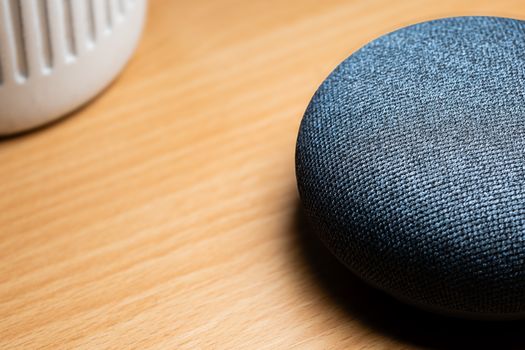 Photo: William Bradshaw / Pexels