
Germany's Green Revolution: Renewable Energy Tech Explored
Uncover the cutting-edge innovations driving Germany's ambitious shift to sustainable power and a greener future.
Explore German Green TechKey Takeaways
- ✓ Germany aims for 80% renewable electricity by 2030.
- ✓ The 'Energiewende' policy is Germany's comprehensive energy transition.
- ✓ Germany is a global leader in solar PV and wind power capacity.
- ✓ Significant investments are made in grid modernization and energy storage solutions.
How It Works
Germany implements robust policies like the Renewable Energy Sources Act (EEG) to incentivize green tech adoption. Feed-in tariffs and market premiums ensure financial viability for renewable energy projects.
Extensive research and development lead to advanced solar panels, efficient wind turbines, and innovative storage systems. These technologies are then deployed nationwide, from large-scale power plants to residential installations.
The variable nature of renewables necessitates smart grid technologies and sophisticated energy management systems. These ensure stable power supply by balancing generation and demand across the network.
Renewable energy is increasingly integrated into other sectors like heating, cooling, and transport. This 'sector coupling' aims to fully decarbonize the entire energy system, moving beyond just electricity generation.
The Energiewende: Germany's Ambitious Energy Transition
 Photo: Travel with Lenses / Pexels
Cutting-Edge Renewable Energy Tech Germany is Championing
 Photo: Brett Sayles / Pexels
Navigating the Challenges: Grid Modernization and Public Acceptance
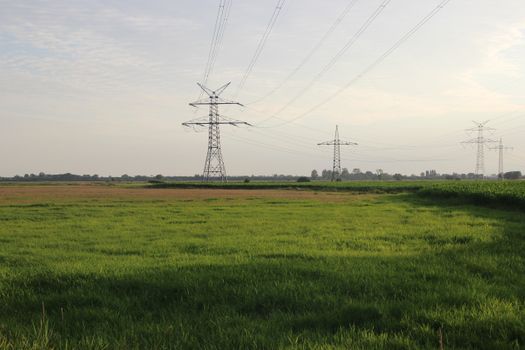 Photo: Julia Schmidt / Pexels
Future Outlook: Hydrogen, Sector Coupling, and Global Impact
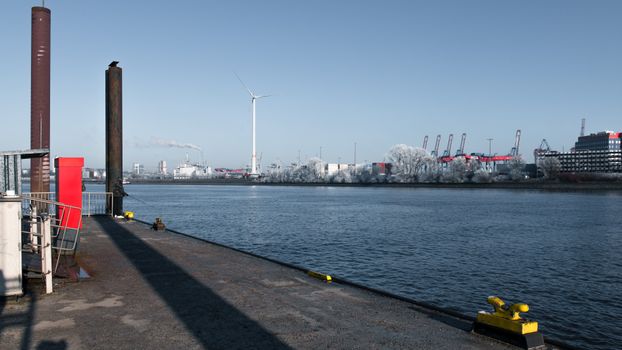 Photo: Wolfgang Weiser / Pexels
Comparison
| Feature | Wind Power (Onshore/Offshore) | Solar PV (Utility/Rooftop) | Green Hydrogen | Battery Storage |
|---|---|---|---|---|
| Maturity in Germany | Very High (Leading) | High (Widespread) | Emerging (Strategic Focus) | Growing (Critical for Grid) |
| Intermittency | Medium-High | High | Low (Storage Medium) | Low (Enables Flexibility) |
| Key Application | Large-scale electricity generation | Decentralized & centralized electricity | Industrial decarbonization, transport, long-term storage | Grid stability, peak shaving, self-consumption |
| Current Policy Support | Strong (EEG, expansion targets) | Strong (EEG, self-consumption incentives) | Strategic National Hydrogen Strategy, R&D funding | Investment grants, grid integration programs |
What Readers Say
"Germany's commitment to renewable energy tech is truly inspiring. As an energy researcher, I've seen firsthand how policies like the EEG have spurred incredible innovation and made sustainable power a reality for millions."
Dr. Anya Schmidt · Munich, Bavaria"Living near an offshore wind farm, I'm amazed by the scale of Germany's renewable energy projects. The technology is robust, and it's clear this is the future for our energy supply."
Michael Weber · Hamburg, Schleswig-Holstein"My home is powered by 100% renewable energy thanks to German tech. The transition was seamless, and my energy bills are actually lower than before. It's a win-win for the environment and my wallet."
Lena Müller · Berlin, Brandenburg"While the progress in renewable energy tech in Germany is commendable, managing grid stability with so much intermittent power remains a challenge. More investment in smart grid solutions is crucial, but the direction is definitely right."
Thomas Richter · Frankfurt, Hesse"Working in the automotive industry, I'm excited by Germany's push for green hydrogen. It offers a real pathway to decarbonize heavy transport and industrial processes, complementing our existing electric vehicle advancements."
Sofia Rossi · Stuttgart, Baden-WürttembergFrequently Asked Questions
What is the 'Energiewende' in relation to renewable energy tech Germany?
The 'Energiewende' (energy transition) is Germany's ambitious, long-term strategy to phase out nuclear and fossil fuels and transition to a fully renewable energy system. It involves comprehensive policy frameworks, massive investments in renewable energy tech like wind and solar, and significant grid modernization efforts to achieve climate neutrality.
Are renewable energy technologies in Germany reliable despite intermittency?
Yes, German renewable energy technologies are increasingly reliable. While solar and wind are intermittent, Germany invests heavily in smart grid technologies, advanced forecasting, and various energy storage solutions (like batteries and power-to-gas) to balance supply and demand and ensure a stable and secure power supply.
How can I invest in renewable energy tech in Germany?
You can invest in renewable energy tech in Germany through various avenues, including purchasing shares in German green energy companies, investing in renewable energy funds, or participating in citizen energy cooperatives that develop and operate local renewable projects. Consulting a financial advisor specializing in sustainable investments is recommended.
What are the costs associated with Germany's renewable energy transition?
The costs include investments in new generation capacity, grid expansion, energy storage, and research and development. Historically, these costs were partly financed through levies on electricity prices. However, with falling technology costs, the overall economic benefits, including job creation and reduced fossil fuel imports, are increasingly outweighing the expenses.
How does Germany compare to other countries in renewable energy tech?
Germany is widely recognized as a global leader in renewable energy tech, particularly in wind and solar PV deployment and policy innovation. Its 'Energiewende' serves as a blueprint for other nations, demonstrating that a large-scale transition to sustainable energy is achievable, albeit with significant challenges and learning curves.
Who benefits most from renewable energy tech Germany offers?
Everyone benefits from cleaner air and a more stable climate. Specifically, homeowners with solar panels benefit from reduced electricity bills, businesses gain from stable energy prices and green credentials, and the German economy benefits from job creation in the green tech sector and reduced reliance on imported fossil fuels.
What are the environmental impacts of Germany's renewable energy tech?
The primary environmental impact is a significant reduction in greenhouse gas emissions and air pollution, contributing to climate change mitigation and improved public health. While there are localized impacts from infrastructure development (e.g., wind turbine noise, land use), these are carefully managed through regulations and environmental assessments.
What's next for renewable energy tech in Germany?
The next frontiers include scaling up green hydrogen production and infrastructure, deepening sector coupling to decarbonize heat and transport, developing advanced energy storage solutions, and further digitalizing the grid with AI to manage complex energy flows. Germany aims for 80% renewable electricity by 2030 and climate neutrality by 2045.
Germany's journey in renewable energy tech is a testament to innovation and political will. Explore how these advancements can empower your own sustainable future or inspire your nation's green transition. Dive deeper into the cutting-edge solutions shaping a cleaner, brighter world.