✓ The metaverse is not a single product but a convergence of technologies creating persistent, shared virtual worlds.
✓ It promises enhanced social interaction, commerce, entertainment, and work experiences beyond current internet capabilities.
✓ Key technologies include VR/AR, AI, blockchain, and 5G/6G, enabling its development.
✓ Major companies like Meta, Microsoft, and Epic Games are heavily investing in its creation and infrastructure.
How It Works
1
Accessing Virtual Worlds
Users typically enter the metaverse through devices like VR headsets, AR glasses, or even standard computers and smartphones. These devices provide the portal to the interconnected digital environments.
2
Creating Digital Identities (Avatars)
Once inside, users create and customize digital representations of themselves, known as avatars. These avatars serve as their identity and means of interaction within the virtual space.
3
Interacting and Experiencing
Within the metaverse, users can socialize, play games, attend concerts, shop, work, and even create content. These interactions are often real-time and provide a sense of presence and immersion.
4
Leveraging Underlying Technologies
The seamless functioning of the metaverse relies on advanced networking (5G/6G), powerful computing, blockchain for digital ownership (NFTs), and AI for dynamic environments and intelligent agents.
Unpacking the Core Concept: What Exactly is the Metaverse?
Photo: www.kaboompics.com / Pexels
The term 'metaverse' has rapidly entered popular discourse, often used to describe a future iteration of the internet, a persistent, interconnected set of virtual spaces where users can interact with each other, digital objects, and AI-driven entities in a more immersive and experiential way than ever before. It's not a single destination but rather a continuum, a convergence of physical and digital realities enabled by a suite of advanced technologies. Think of it less as a website you visit and more as a digital layer that permeates and extends our physical world, accessible through various devices.
At its heart, the metaverse envisions a future where our digital lives are as rich and multifaceted as our physical ones, if not more so. It moves beyond the current internet's flat, two-dimensional experience to a three-dimensional, spatial computing paradigm. This means instead of merely viewing content, users will be able to 'step inside' it, to inhabit digital environments, and to share experiences with others as if they were physically present. This shift represents a fundamental change in how we perceive and interact with information, entertainment, and each other. It's about presence, persistence, interoperability, and real-time interaction on a massive scale. Early examples include games like Roblox and Fortnite, which offer social spaces and user-generated content, hinting at the metaverse's potential. However, a true metaverse will be far more expansive, allowing seamless transitions between different virtual worlds, carrying digital assets and identities across platforms, and supporting a fully functioning digital economy. This complex ecosystem will be built on principles of decentralization, offering users greater control over their data and digital property, a concept deeply tied to blockchain technology. The promise is a digital frontier where creativity, commerce, and community can flourish unbound by physical limitations, offering unparalleled opportunities for innovation and connection. The vision is ambitious, aiming to integrate various digital domains into a cohesive, shared experience, blurring the lines between our online and offline existences. It's a grand experiment in digital convergence, promising to redefine our relationship with technology and with each other in profound ways.
The Technological Pillars Driving Metaverse Development
Photo: SHVETS production / Pexels
The realization of the metaverse is not dependent on a single breakthrough but rather on the maturation and convergence of several key technological pillars. These foundational technologies work in concert to create the immersive, persistent, and interactive digital worlds envisioned. Understanding these components is crucial to grasping the true potential and challenges of what is the metaverse and its future.
Firstly, Augmented Reality (AR) and Virtual Reality (VR) are paramount. VR headsets plunge users into fully digital environments, creating an unparalleled sense of presence. AR, conversely, overlays digital information onto the real world, enhancing our physical surroundings. Both are evolving rapidly, becoming lighter, more powerful, and more accessible, moving from niche gaming devices to tools with broader applications in education, healthcare, and professional training. Advances in haptic feedback, spatial audio, and eye-tracking further deepen the immersion, making virtual interactions feel more tangible and realistic.
Secondly, Artificial Intelligence (AI) plays a critical role in populating and animating the metaverse. AI will power non-player characters (NPCs), create dynamic and responsive environments, personalize user experiences, and even generate content. From intelligent avatars that can hold complex conversations to algorithms that adapt virtual worlds based on user behavior, AI will make the metaverse feel alive and endlessly engaging. Machine learning models are already being used to create realistic digital twins and optimize network performance, laying the groundwork for more sophisticated AI integration.
Thirdly, blockchain technology and Non-Fungible Tokens (NFTs) are fundamental for establishing digital ownership, identity, and a decentralized economy within the metaverse. NFTs allow users to own unique digital assets – from virtual land and clothing to artwork and collectibles – with verifiable proof of ownership. This underpins the metaverse economy, enabling creators to monetize their work and users to trade digital goods securely. Blockchain also provides a framework for decentralized identity, giving users more control over their personal data and digital footprint across different metaverse platforms.
Finally, robust connectivity, particularly 5G and the upcoming 6G, is indispensable. The metaverse demands incredibly low latency and high bandwidth to render complex 3D environments, support real-time interactions, and stream vast amounts of data seamlessly. Edge computing, which brings computation closer to the data source, will also be vital in processing the immense data loads generated by millions of concurrent users, ensuring smooth and responsive experiences. Without these advanced networking capabilities, the dream of a truly persistent and interconnected metaverse would remain just that – a dream. The synergy between these technologies is what will ultimately unlock the metaverse's full potential, creating a truly transformative digital frontier.
Envisioning the Future: How the Metaverse Will Reshape Our Lives
Photo: Atlantic Ambience / Pexels
The future of the metaverse is not a distant sci-fi fantasy but an evolving reality, poised to profoundly reshape various facets of human experience. Understanding what is the metaverse and its future means contemplating its transformative potential across industries and daily life. It promises to transcend current digital limitations, offering new paradigms for interaction, commerce, education, and entertainment.
In terms of social interaction, the metaverse aims to bridge geographical divides, allowing friends, family, and colleagues to connect in shared virtual spaces that feel more intimate and engaging than video calls. Imagine attending a virtual concert with thousands of other fans from around the world, feeling the collective energy, or having a coffee chat with a friend who lives on another continent, all within a hyper-realistic digital environment. This enhanced sense of presence could foster deeper connections and new forms of community.
The economic implications are vast. The metaverse is expected to foster a thriving digital economy where users can create, own, sell, and invest in virtual goods and services. This includes everything from digital fashion and architecture to virtual event tickets and professional services. Brands are already establishing virtual storefronts and experiences, recognizing the metaverse as a new frontier for marketing and customer engagement. Freelancers and creators will find new avenues for income, designing virtual assets, developing metaverse experiences, or even serving as digital tour guides. This new economic layer will likely create millions of new jobs and redefine existing ones, pushing the boundaries of what constitutes 'work' and 'commerce.'
Education and training stand to be revolutionized. Instead of learning from textbooks or 2D screens, students could explore historical events in VR, conduct complex scientific experiments in a virtual lab without physical constraints, or perform simulated surgical procedures. Professionals could undergo immersive training simulations that are safer, more cost-effective, and more realistic than current methods. The metaverse could democratize access to high-quality education globally, making learning more engaging and accessible. Future education models will undoubtedly incorporate metaverse elements.
Entertainment will also evolve dramatically. Beyond traditional gaming, users will be able to attend live virtual events, participate in interactive storytelling experiences, and even co-create content with others in real-time. The lines between audience and participant will blur, offering unparalleled levels of engagement and personalization. Imagine starring in your own movie or becoming a character in a dynamic, evolving narrative. The entertainment landscape will become more immersive, interactive, and user-driven than ever before, offering experiences that are currently unimaginable. The metaverse is set to open up entirely new dimensions of human experience, blurring the lines between our digital and physical realities.
Navigating the Challenges and Ethical Considerations of the Metaverse
Photo: Atlantic Ambience / Pexels
While the promise of the metaverse is immense, its development and widespread adoption are fraught with significant challenges and ethical considerations that demand careful attention. Ignoring these potential pitfalls could undermine its beneficial aspects and lead to unintended consequences. Addressing these concerns proactively is crucial for shaping a responsible and equitable digital future.
One of the primary technical challenges lies in achieving true interoperability. For the metaverse to be a seamless, interconnected space, digital assets, identities, and experiences must be able to move freely between different platforms and virtual worlds. Currently, most virtual environments are walled gardens, making such transitions difficult or impossible. Establishing universal standards and protocols for interoperability will require unprecedented collaboration among competing tech giants.
Another major concern is data privacy and security. The immersive nature of the metaverse will generate an enormous amount of personal data, including biometric information, behavioral patterns, and highly sensitive interactions. Protecting this data from misuse, breaches, and surveillance will be paramount. Robust encryption, decentralized data storage, and transparent data governance policies will be essential to build user trust.
Ethical dilemmas abound, particularly concerning digital identity, ownership, and moderation. Who controls the rules within virtual worlds? How do we prevent harassment, hate speech, and other harmful behaviors in spaces where anonymity can be high? The concept of 'digital ownership' through NFTs also raises questions about intellectual property rights, market manipulation, and accessibility. Ensuring equitable access to the metaverse, preventing digital divides, and designing inclusive environments for diverse populations are also critical considerations.
Furthermore, the potential for addiction and mental health impacts needs careful study. The highly immersive nature of the metaverse could blur the lines between reality and virtuality, potentially leading to social isolation, psychological distress, or escapism for some users. Designing experiences that promote well-being, encourage real-world connections, and offer tools for digital detox will be vital. Regulators, developers, and users must collaborate to establish ethical guidelines and frameworks that prioritize user safety and well-being as the metaverse evolves. The path forward requires a balanced approach, harnessing innovation while mitigating risks.
Key Mistakes to Avoid in Metaverse Development:
* **Lack of Interoperability:** Building isolated platforms that don't connect, hindering a truly unified metaverse experience.
* **Ignoring User Safety:** Failing to implement robust moderation tools and privacy safeguards, leading to harassment and data breaches.
* **Exclusionary Design:** Creating experiences that are not accessible to individuals with disabilities or those in low-bandwidth regions.
* **Over-Monetization:** Prioritizing profit over user experience, leading to excessive microtransactions and pay-to-win mechanics.
* **Centralized Control:** Allowing a few corporations to dictate the entire metaverse, stifling innovation and user freedom.
Comparison
Feature
Current Internet (Web 2.0)
Metaverse (Web 3.0 Vision)
Early Metaverse Platforms
Interaction
2D browsing, text, video chat
3D immersive, spatial computing
Limited 3D, avatar-based
Ownership
Limited (data owned by platforms)
Decentralized, verifiable (NFTs)
Centralized, some NFT integration
Identity
Profiles tied to platforms
Portable, self-sovereign avatars
Platform-specific avatars
Experience
Browsing, consuming content
Being, living, creating within
Gaming, social hangouts
Economy
Centralized e-commerce, ads
Decentralized, creator-driven
In-game currencies, some NFTs
Access
Desktop, mobile browsers
VR/AR headsets, diverse devices
VR/PC/mobile apps
Interoperability
✗
✓
✗
What Readers Say
★★★★★
"This article truly demystified what is the metaverse and its future for me. I now understand the underlying tech and its potential impact, which was previously a confusing topic."
Lena M. · Berlin, Germany
★★★★★
"As a tech enthusiast, I found the breakdown of the technological pillars incredibly insightful. It's a comprehensive look at how these pieces fit together to form the metaverse."
Kai S. · Hamburg, Germany
★★★★★
"The section on how the metaverse will reshape our lives was fascinating. It gave me a clear picture of the opportunities it presents, especially for education and new digital economies."
Anja P. · Munich, Germany
★★★★★
"A very thorough overview. While it's largely positive, I appreciate that it also delved into the significant challenges and ethical considerations, providing a balanced perspective on the metaverse's future."
Max B. · Cologne, Germany
★★★★★
"I'm a digital artist, and this article helped me understand how blockchain and NFTs will enable new forms of ownership and monetization in the metaverse. Very practical insights!"
Sophie H. · Stuttgart, Germany
Frequently Asked Questions
What is the fundamental difference between the internet and the metaverse?
The internet is a network of information and content, primarily experienced in 2D through screens. The metaverse is envisioned as a persistent, 3D, immersive digital environment where users can physically 'be' present and interact with each other and digital objects in real-time, blurring the lines between physical and virtual realities.
Is the metaverse just for gaming?
While gaming platforms like Fortnite and Roblox offer early metaverse-like experiences, the true metaverse is far broader. It aims to encompass all aspects of life – work, social interaction, education, commerce, and entertainment – creating a comprehensive digital layer over our world, not just a game.
How do I access the metaverse?
Currently, access is primarily through VR headsets (like Meta Quest), AR glasses, powerful PCs, and even smartphones for some basic experiences. As the metaverse evolves, access methods are expected to become more diverse, seamless, and integrated into daily life, potentially requiring specialized hardware.
Will the metaverse be expensive to participate in?
Initial entry might require investment in hardware (VR headsets, etc.), and digital assets like NFTs can vary greatly in price. However, developers aim for broad accessibility, with free-to-play elements and diverse pricing models for digital goods and services. The long-term goal is to make it accessible to everyone, with various tiers of participation.
How does the metaverse compare to virtual reality (VR)?
VR is a technology that creates immersive virtual environments, typically through headsets. The metaverse is a broader concept that utilizes VR (and AR) as an access point or component. The metaverse is an interconnected network of persistent virtual worlds, while VR is a specific technology used to experience those worlds.
Who should be concerned about the metaverse's development?
Everyone should be aware. Businesses need to understand new commerce and marketing channels. Educators can leverage new learning tools. Individuals should consider privacy, digital identity, and potential societal impacts. Policymakers must prepare for regulation of digital economies and virtual spaces.
What are the biggest risks associated with the metaverse?
Key risks include data privacy breaches, digital harassment and moderation challenges, potential for addiction and mental health issues from over-immersion, the perpetuation of digital divides, and the concentration of power among a few tech giants. Ethical governance and robust security are critical to mitigate these.
What are the emerging trends that will shape the metaverse's future?
Key trends include the increasing integration of AI for dynamic content and intelligent NPCs, advancements in haptic feedback for more tactile experiences, the rise of decentralized autonomous organizations (DAOs) for governance, and the continuous evolution of blockchain for secure digital ownership and identity. Interoperability will also be a major focus.
Understanding what is the metaverse and its future is crucial for navigating the next wave of digital transformation. Stay informed, explore its possibilities, and prepare for a more immersive and interconnected digital world that redefines how we live, work, and interact.
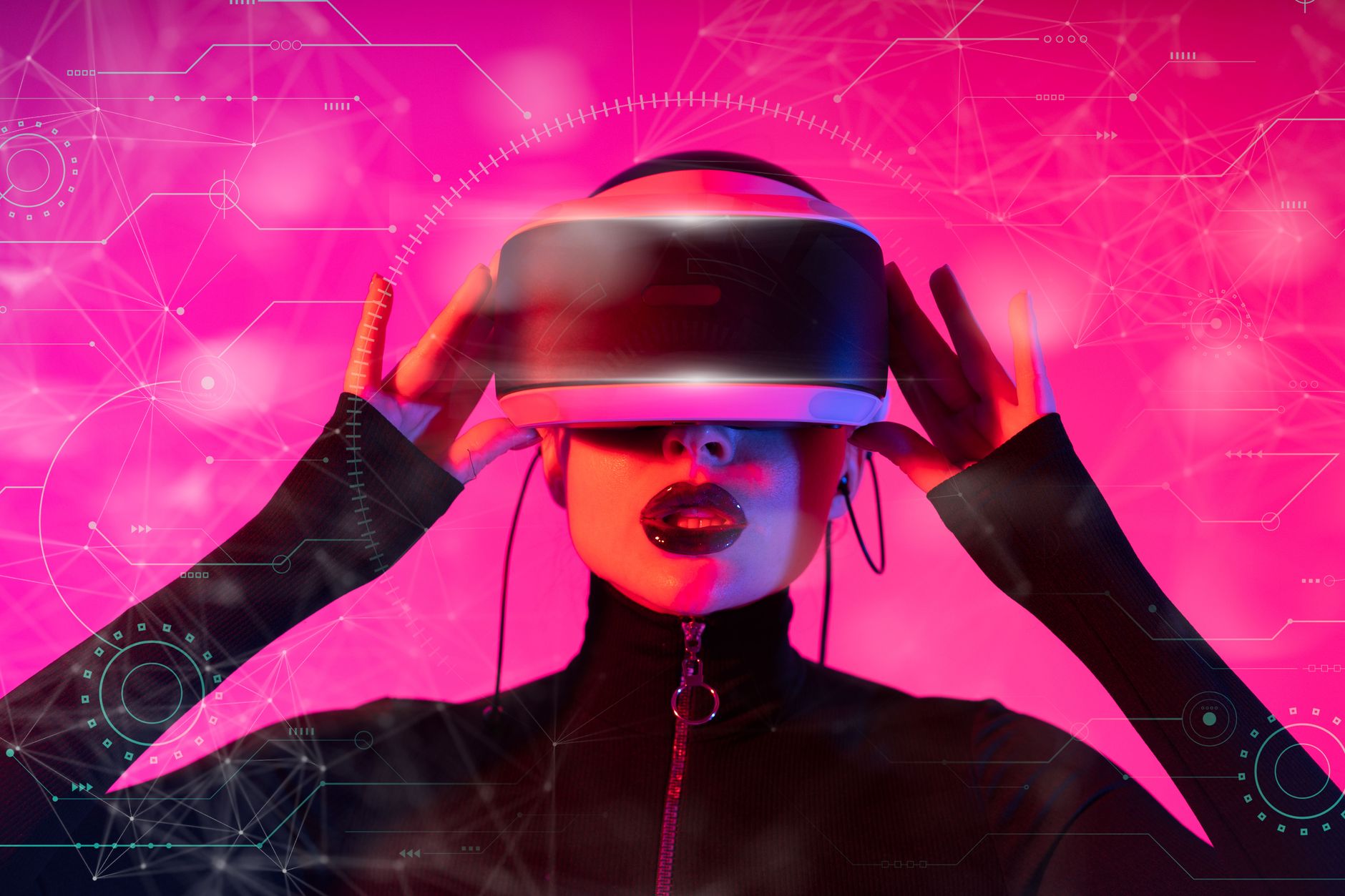
 Photo: www.kaboompics.com / Pexels
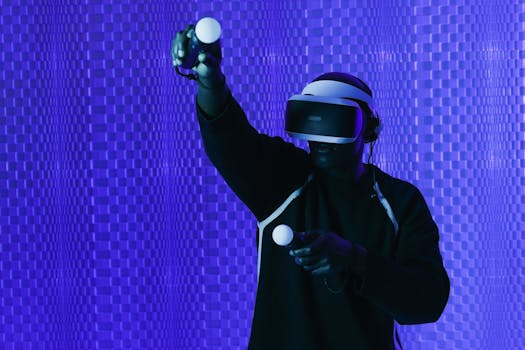 Photo: SHVETS production / Pexels
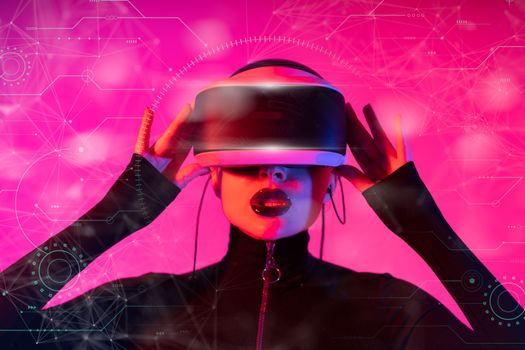 Photo: Atlantic Ambience / Pexels
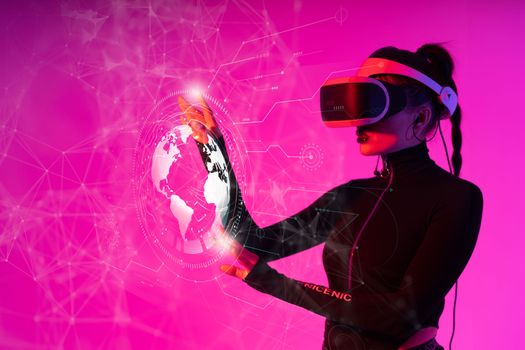 Photo: Atlantic Ambience / Pexels