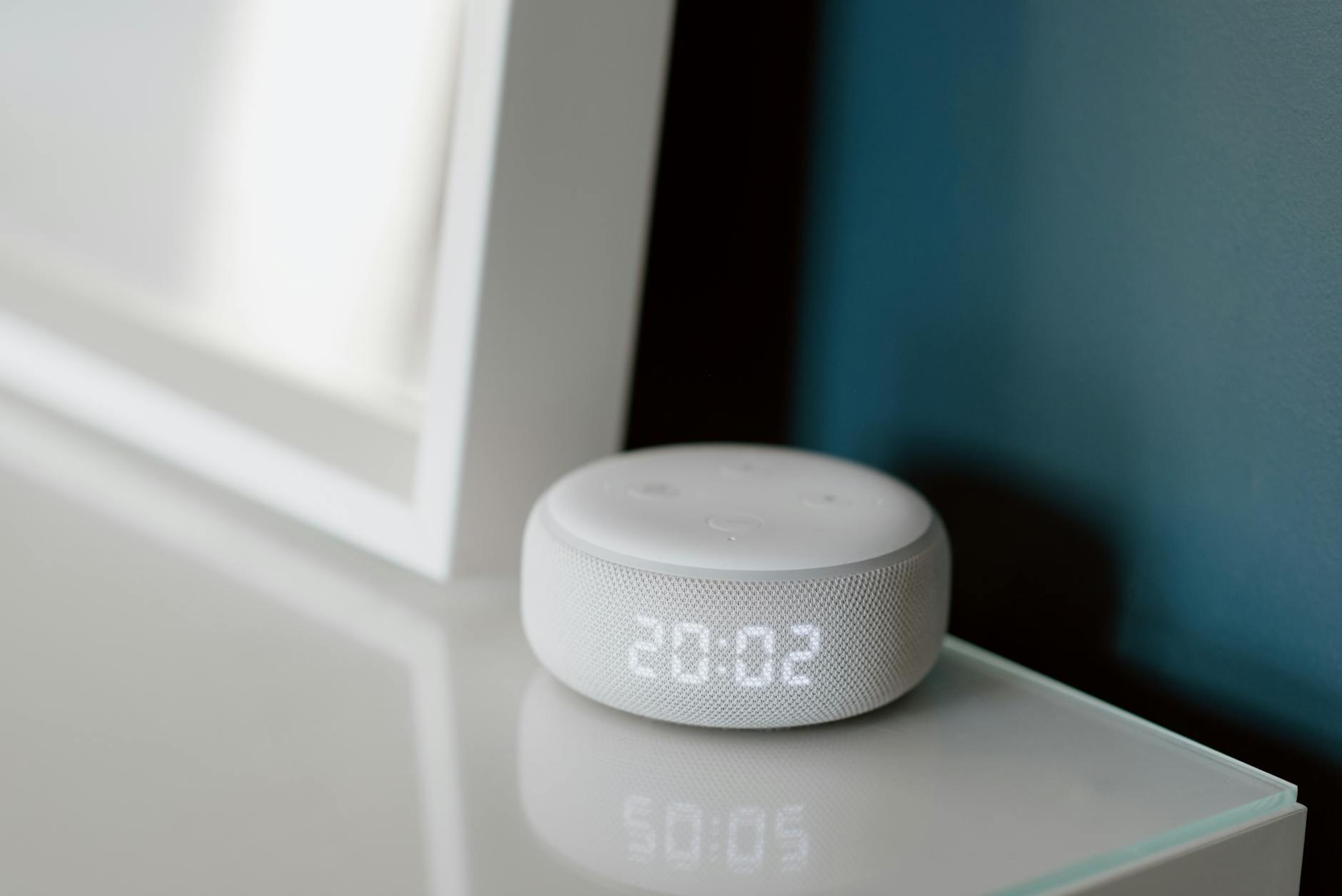
Where to Buy Smart Home Devices Germany: Your Ultimate Guide
where to buy smart home devices germany

Where to Buy Smart Home Devices Germany: Your Ultimate Guide

Unlock the best places to purchase smart home tech across Germany, ensuring convenience, quality, and value.

Find Your Smart Home Now

Key Takeaways

  • ✓ Germany's smart home market is growing rapidly, with diverse purchasing options.
  • ✓ Online retailers offer the widest selection and competitive pricing for smart devices.
  • ✓ Physical stores provide hands-on experience and personalized advice.
  • ✓ Compatibility with existing systems and local standards (e.g., E-standards) is crucial.

How It Works

1
Identify Your Smart Home Needs

Before buying, define what you want to automate: lighting, security, heating, entertainment, or a combination. This helps narrow down device types and brands.

2
Research Ecosystems & Compatibility

Choose an ecosystem (e.g., Apple HomeKit, Google Home, Amazon Alexa, Zigbee, Z-Wave) and ensure all devices you plan to buy are compatible. This prevents future headaches and ensures seamless integration.

3
Explore Retailer Options

Consider both online giants for selection and price, and local stores for immediate availability and expert consultation. Compare their return policies and customer service.

4
Compare Prices & Read Reviews

Once you've identified potential devices and retailers, compare prices across different platforms. Always check recent customer reviews for insights into device performance and retailer reliability before making a purchase.

Navigating the Online Landscape for Smart Home Devices in Germany

A miniature shopping cart placed on a laptop keyboard symbolizing online shopping and e-commerce. Photo: SiljeAO - / Pexels
When considering where to buy smart home devices in Germany, the online landscape presents an unparalleled array of choices, convenience, and often, the most competitive pricing. German consumers are increasingly turning to e-commerce platforms for their smart home needs, driven by factors like extensive product catalogs, detailed product descriptions, user reviews, and direct-to-door delivery. Amazon.de stands out as a dominant player, offering virtually every smart home device imaginable, from popular brands like Philips Hue, tado°, AVM FRITZ!Box, and Bosch Smart Home, to niche manufacturers. Its vast selection is complemented by frequent sales events like Prime Day and Black Friday, making it a go-to for many. However, navigating Amazon's sheer volume requires a clear idea of what you're looking for, and it's essential to scrutinize seller ratings and product authenticity, especially for third-party vendors. Another significant online retailer is Otto.de, a traditional German mail-order company that has successfully transitioned into a robust online department store. Otto offers a curated selection of smart home devices, often focusing on quality and popular brands. Their customer service and return policies are generally well-regarded, providing a reliable shopping experience. Conrad.de, known for its electronics and technology focus, is another excellent online destination. While it caters more to tech enthusiasts and DIYers, its smart home section is comprehensive, featuring components, systems, and accessories for various protocols like Zigbee, Z-Wave, and HomeMatic. Conrad often provides detailed technical specifications and guides, which can be invaluable for more complex installations. Specialized smart home online shops are also gaining traction. Websites like Tink.de or Cyberport.de focus exclusively on smart home technology, offering expert advice, curated bundles, and often exclusive deals. These platforms typically have knowledgeable support staff who can guide you through compatible systems and installation challenges, making them ideal for those seeking more tailored assistance. When buying online, remember to check for shipping costs, delivery times, and the retailer's return policy. German consumer protection laws are strong, but understanding the specifics of each shop's terms can save you hassle. Always ensure that devices are compatible with European electrical standards (230V, 50Hz) and that any apps or interfaces are available in German or English for ease of use. For more insights into general tech buying, you might find this article on the best tech gadgets for your home helpful.

Exploring Physical Stores for a Hands-On Smart Home Experience

Vibrant night scene of an illuminated smartphone repair store with red signage. Photo: Adam B. / Pexels
While online shopping offers unparalleled convenience, many consumers still prefer the tangible experience of browsing physical stores when deciding where to buy smart home devices in Germany. The ability to see, touch, and often interact with devices before making a purchase is a significant advantage, especially for complex or visually driven smart home products like smart displays, lighting systems, or thermostats. MediaMarkt and Saturn, two of Germany's largest electronics retailers, are ubiquitous across the country. Their large showrooms dedicate significant space to smart home technology, featuring demo setups where you can experience smart lighting, voice assistants (like Google Assistant and Amazon Alexa), smart security cameras, and smart thermostats in action. Sales associates are usually available to answer questions, demonstrate features, and help with initial setup advice. These stores often run promotional campaigns, offering bundles or discounts on popular smart home brands. The immediate availability of products and the ease of returns in-store are also major draws for many customers. Bauhaus, Obi, and Hornbach, Germany's leading DIY and hardware stores, have also expanded their smart home offerings, particularly focusing on security systems, smart heating controls, and outdoor smart devices. They cater to a slightly different segment, often appealing to homeowners looking to integrate smart technology into their existing infrastructure or those undertaking renovation projects. You'll find brands like Bosch Smart Home, Homematic IP, and tado° alongside traditional building materials. The staff in these stores can sometimes offer advice on installation and compatibility with home systems. Smaller, specialized electronics stores or local independent retailers, though less common, can also be valuable resources. These shops often pride themselves on personalized service and in-depth product knowledge. They might stock niche smart home brands or offer bespoke consultation services, which can be particularly beneficial for customers seeking highly customized solutions or those with specific technical requirements. While their prices might not always match the online giants, the value of expert, face-to-face advice can be significant. Visiting physical stores allows you to assess the build quality, aesthetics, and user interface of devices firsthand. It also provides an opportunity to compare different brands side-by-side and discuss your specific needs with a sales professional. Keep an eye out for in-store workshops or events, which some retailers occasionally host to educate consumers on smart home technology and its applications.

Specialized Retailers and Direct-to-Consumer Options for Smart Home Solutions
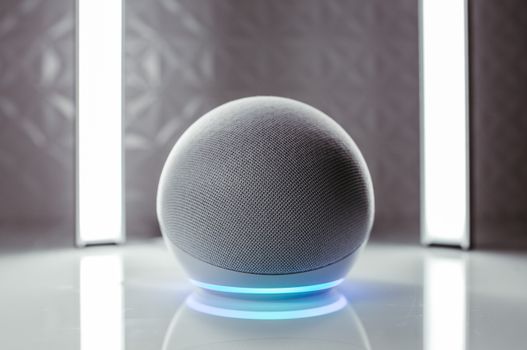
Close-up of a spherical smart speaker with illuminated base, perfect for modern interiors. Photo: Jonathan Borba / Pexels
Beyond the general online marketplaces and large physical electronics chains, Germany offers several specialized retailers and direct-to-consumer (DTC) channels that cater specifically to the smart home enthusiast or those seeking particular brands. These avenues can often provide a deeper level of expertise, exclusive product lines, or more direct support from the manufacturers themselves. Brands like AVM (FRITZ!Box), tado°, and Bosch Smart Home often have their own online stores where you can purchase their products directly. Buying directly from the manufacturer can sometimes offer advantages such as access to the latest models, specific bundles not available elsewhere, and direct customer support for troubleshooting or warranty claims. This is particularly useful for ecosystem-specific devices where seamless integration within a brand's family of products is paramount. For instance, if you're heavily invested in the FRITZ! ecosystem for networking, buying FRITZ!DECT smart home devices directly from AVM ensures perfect compatibility and access to their renowned support. Another category includes telecommunications providers like Deutsche Telekom (Magenta SmartHome) and Vodafone. These companies often offer their own smart home systems and devices, sometimes bundled with their internet or mobile contracts. Their solutions are typically designed for ease of installation and use, often featuring a central hub and a range of compatible devices for security, heating, and lighting. While these systems can be convenient, they might lock you into a specific ecosystem or require a subscription, so it's crucial to understand the long-term costs and flexibility before committing. Furthermore, specialized smart home integrators and installers exist across Germany. While not traditional retail outlets, these companies provide a full-service approach, from consultation and planning to procurement and professional installation of complex smart home systems. They are ideal for larger projects, custom installations, or for those who prefer a completely hands-off approach to setting up their smart home. They often have access to professional-grade equipment and can integrate diverse systems into a cohesive smart home environment. While this option is typically more expensive, the peace of mind and tailored solution can be invaluable. When exploring these specialized options, pay close attention to the warranty conditions, return policies, and the availability of technical support. Direct-to-consumer models often excel in post-purchase support, as you're dealing directly with the product experts. For more advanced users or those looking to dive deeper into system integration, resources like tech blogs and forums can also provide valuable recommendations on where to find specific components or services.

Key Considerations and Tips for Buying Smart Home Devices in Germany

A couple examines a house blueprint together, exploring future home possibilities. Photo: Alena Darmel / Pexels
Making an informed decision on where to buy smart home devices in Germany goes beyond just finding a retailer; it involves understanding several critical factors to ensure your smart home experience is seamless and satisfying. **1. Compatibility and Ecosystem Choice:** This is paramount. Before purchasing any device, confirm its compatibility with your chosen smart home ecosystem (e.g., Apple HomeKit, Google Home, Amazon Alexa) or your existing smart home hub (e.g., Zigbee, Z-Wave, HomeMatic). Mixed ecosystems can lead to frustration and limited functionality. Research which devices work well together and if there are any specific regional variations in software or hardware. **2. German Electrical Standards:** Ensure all devices are designed for European electrical standards (230V, 50Hz) and come with a Schuko plug (Type F) or an appropriate adapter. Purchasing devices from non-EU regions without proper certification can be a safety hazard and void warranties. **3. Data Privacy and Security:** Germany has strong data protection laws (GDPR). When buying smart home devices, especially those with cameras or microphones, research the manufacturer's data privacy policies. Look for devices that offer local processing where possible or robust encryption for cloud-based data. **4. Warranty and Returns:** Understand the retailer's and manufacturer's warranty policies. In Germany, consumers typically have a 2-year warranty (Gewährleistung) on new products. Check the return period and conditions, especially for online purchases, to ensure you can return a device if it doesn't meet your expectations or is incompatible. **5. Language Support:** While many smart home apps and voice assistants support English, ensure that the primary language for setup, instructions, and voice commands is available in German or a language you are comfortable with. **6. Local Support and Community:** Consider brands that have good local customer support in Germany. This can be invaluable for troubleshooting. Also, look for active online communities or forums specific to Germany, where you can get advice from other users. **7. Installation Requirements:** Some smart home devices, like smart thermostats or complex security systems, might require professional installation. Factor this cost and complexity into your decision. Many retailers offer installation services, or they can recommend certified technicians. **Mistakes to Avoid:** * **Impulse Buying:** Don't buy devices without a clear plan for how they fit into your smart home ecosystem. * **Ignoring Reviews:** Always read recent customer reviews, especially those from German users, for insights into performance and local compatibility issues. * **Overlooking Hidden Costs:** Account for potential subscription fees for advanced features, cloud storage, or ongoing services. * **Neglecting Network Infrastructure:** A robust Wi-Fi network is the backbone of most smart homes. Ensure your router and network coverage are adequate before investing in many devices. * **Prioritizing Price Over Quality:** While deals are great, extremely cheap devices might lack security features, long-term support, or reliable performance. Investing in quality pays off in the long run.

Comparison

FeatureOnline Giants (e.g., Amazon.de)Electronics Chains (e.g., MediaMarkt)Specialized Smart Home Shops (e.g., Tink.de)DIY Stores (e.g., Bauhaus)
Product VarietyExtensive (A-Z)Good (Popular Brands)Curated (Niche & Premium)Limited (DIY Focus)
Price CompetitivenessHighMedium-High (Sales)MediumMedium
Hands-on ExperienceLimited (Showrooms)
Expert AdviceVia Reviews/Q&ABasic to GoodExcellentBasic (Installation)
Immediate AvailabilityDependent on stockDependent on stock
Return PolicyFlexibleStandardStandardStandard
Installation ServicesOften OfferedSometimes OfferedSometimes Offered
FocusBroad Consumer TechGeneral ElectronicsSmart Home SpecificHome Improvement & Security

What Readers Say

"I was looking for where to buy smart home devices in Germany and Amazon.de offered the best selection for my Philips Hue setup. Their quick delivery and easy returns made the whole process stress-free."

Anja M. · Berlin, Germany

"MediaMarkt was perfect for my smart thermostat. Being able to see the device in person and get advice from the staff on installation was invaluable. Definitely recommend for a hands-on experience."

Lukas S. · Munich, Germany

"Tink.de was a revelation for my smart home project! They helped me choose compatible devices for my specific needs, resulting in a perfectly integrated system that saves energy and enhances comfort."

Sophie K. · Hamburg, Germany

"Conrad.de had the specific smart plugs I needed for my obscure automation project, which I couldn't find anywhere else. Their technical details were helpful, though navigation could be a bit overwhelming for beginners."

Max P. · Cologne, Germany

"As a beginner to smart home tech, I found Bauhaus surprisingly useful for security cameras. The staff guided me through the basics, and I felt confident in my purchase for outdoor monitoring."

Elena R. · Stuttgart, Germany

Frequently Asked Questions

What are the best online stores where to buy smart home devices in Germany?

Amazon.de, Otto.de, and Conrad.de are excellent choices for a wide range of smart home devices. For specialized products and expert advice, consider Tink.de or Cyberport.de. These platforms offer competitive pricing and extensive product catalogs.

Are smart home devices sold in Germany compatible with EU standards?

Yes, devices sold by reputable retailers in Germany are designed to meet EU electrical standards (230V, 50Hz) and safety regulations. Always ensure you're buying from a trusted source to guarantee compliance and avoid potential issues.

Can I get installation help for smart home devices in Germany?

Many electronics chains like MediaMarkt and Saturn offer installation services for smart home devices, especially for more complex systems. Specialized smart home integrators also provide professional installation and consultation services for tailored solutions.

How much do smart home devices typically cost in Germany?

The cost varies widely depending on the device type, brand, and functionality. Simple smart plugs can start from €15-€30, while advanced smart thermostats or security systems can range from €100 to several hundred euros. Expect to invest more for integrated, high-quality ecosystems.

Is it better to buy smart home devices online or in a physical store in Germany?

Both have advantages. Online stores offer wider selection and often better prices, while physical stores (like MediaMarkt or Saturn) provide hands-on experience, immediate availability, and direct consultation with sales staff. Your preference depends on your needs for comparison, immediate gratification, and expert guidance.

Who should consider buying smart home devices in Germany?

Anyone looking to enhance convenience, security, or energy efficiency in their home can benefit. From tech enthusiasts wanting full automation to individuals seeking simple smart lighting or heating controls, smart home devices cater to a broad spectrum of users in Germany.

What are the privacy concerns when buying smart home devices in Germany?

Data privacy is a significant concern. German consumers benefit from strong GDPR regulations. When purchasing, research the manufacturer's data handling policies, look for local data processing options, and understand what data your devices collect and how it's used to protect your privacy.

What are the future trends for smart home devices in Germany?

The future of smart homes in Germany points towards greater interoperability between different brands and ecosystems, increased focus on energy efficiency and sustainability, and the integration of AI for more personalized and predictive automation. Voice control and enhanced security features will also continue to evolve.

Now that you know exactly where to buy smart home devices in Germany, from online marketplaces to specialized stores, you're equipped to make the best purchasing decisions. Start building your connected home today and experience the convenience, security, and efficiency that smart technology offers.

Topics: where to buy smart home devices germanysmart home Germany storessmart home online Germanysmart home retailers DEhome automation Germany
Leo List
Brampton weed
Adultwork EstrelaBet Vai de Bet R7 Bet Betão Galera Bet Rainbet Bet9ja Shop SportyBet BetKing Sisal Loto Foot Hollywoodbets YesPlay Odibets RushBet Jugabet BetWarrior BetCity MSport betPawa Fortebet