✓ Germany offers a diverse range of options for purchasing smart home devices, catering to all budgets and preferences.
✓ Online retailers like Amazon and Otto are popular for their vast selection and competitive pricing.
✓ Electronics chains such as MediaMarkt and Saturn provide hands-on experience and expert advice.
✓ Specialized smart home stores offer niche products and tailored solutions, often with installation services.
How It Works
1
Identify Your Smart Home Needs
Before shopping, determine which aspects of your home you want to automate (e.g., lighting, security, heating). This helps narrow down device types and compatible ecosystems.
2
Research Retailers & Brands
Explore both online and physical stores known for smart home products in Germany. Compare brands like Philips Hue, Bosch, tado°, or AVM FRITZ! for compatibility and features.
3
Compare Prices & Read Reviews
Utilize price comparison websites and read customer reviews to ensure you're getting the best deal and a reliable product. Pay attention to German-specific reviews for local relevance.
4
Purchase & Plan Installation
Buy your chosen devices from a reputable vendor. Consider if you need professional installation or if you're comfortable with DIY setup, leveraging retailer support if available.
Navigating the Online Landscape for Smart Home Devices in Germany
Photo: Julio Lopez / Pexels
The digital marketplace is arguably the most dominant force when it comes to purchasing smart home devices in Germany. Its sheer convenience, vast selection, and competitive pricing make it the first stop for many German consumers. Leading the pack are international giants like Amazon.de, which offers an unparalleled range of products from virtually every smart home brand imaginable, often with fast shipping options and a robust return policy. You can find everything from basic smart plugs and bulbs to advanced security systems and sophisticated climate control devices. Amazon's marketplace model also means you'll often find multiple sellers offering the same product, fostering price competition that benefits the buyer. Beyond Amazon, German e-commerce stalwarts like Otto.de and Cyberport.de are also excellent destinations. Otto, known for its extensive home goods catalog, has significantly expanded its smart home offerings, often featuring attractive bundle deals. Cyberport, on the other hand, specializes in electronics and offers a more curated selection, often catering to tech-savvy users looking for specific brands or higher-end equipment. Idealo.de and Geizhals.de are indispensable price comparison portals for savvy shoppers, allowing you to quickly scan prices across numerous German retailers for a specific device, ensuring you don't overpay. These platforms are particularly useful for identifying sales or discounts that might not be immediately obvious. When shopping online, always check the seller's reputation, read recent customer reviews, and verify the warranty and return policies. Many online retailers also provide detailed product specifications and compatibility information, which is crucial for building a cohesive smart home ecosystem. Furthermore, don't overlook manufacturer-specific online stores, such as Philips Hue's official website or the tado° online shop, which often offer exclusive bundles, the latest models, or direct support. These can be particularly useful for ensuring product authenticity and direct access to brand support. For those interested in the broader tech landscape, understanding the evolution of smart home technology can provide valuable context when making purchasing decisions. The convenience of online shopping, coupled with comprehensive information, makes it a powerful channel for acquiring smart home devices in Germany. However, it's essential to be a diligent shopper, comparing not just prices but also services and support.
Exploring Brick-and-Mortar Stores for Hands-On Smart Home Experience
Photo: A. / Pexels
While online shopping offers convenience, many consumers still prefer the tactile experience of seeing, touching, and sometimes even trying out smart home devices before making a purchase. In Germany, several prominent electronics chains provide just that. MediaMarkt and Saturn, both part of the Ceconomy group, are ubiquitous across German cities and are arguably the largest players in the physical retail space for electronics. These superstores dedicate significant floor space to smart home sections, often showcasing live demonstrations of smart lighting, speakers, security cameras, and voice assistants. This allows customers to interact with the products, ask questions to sales assistants, and get a better feel for how different devices integrate. Their staff are usually knowledgeable, though the depth of expertise can vary. Beyond the major chains, smaller, independent electronics stores or specialized smart home retailers also exist, particularly in larger urban centers. These often offer a more personalized shopping experience, with highly trained staff who can provide in-depth advice, tailor solutions to specific home layouts, and even assist with complex installations. While their prices might not always match the online giants, the added value in terms of service and expertise can be invaluable, especially for newcomers to smart home technology or those seeking bespoke solutions. DIY stores like OBI, Hornbach, and Bauhaus have also recognized the growing trend of smart homes. They increasingly stock smart home devices related to heating, security, and garden automation, often integrated within their existing home improvement sections. This is particularly convenient for those undertaking renovation projects or looking to incorporate smart tech into their home infrastructure. Visiting these physical stores allows for immediate gratification – you can often take your purchased items home on the same day. It also provides a direct point of contact for returns or warranty claims, which some consumers find reassuring. For complex systems, the ability to discuss your needs face-to-face with an expert can prevent costly mistakes and ensure compatibility. The hands-on experience and direct customer service are significant advantages of brick-and-mortar stores when deciding where to buy smart home devices in Germany.
Specialized Retailers and Service Providers for Niche Smart Home Solutions
Photo: Pavel Danilyuk / Pexels
Beyond general electronics stores and vast online marketplaces, Germany also boasts a segment of specialized retailers and service providers catering specifically to the smart home market. These entities often focus on particular ecosystems, high-end solutions, or offer comprehensive planning and installation services that go beyond simply selling a device. Companies like tink.de, for instance, have carved out a niche by offering curated smart home bundles, expert advice, and a strong focus on compatibility. They act as an aggregator of various smart home brands, providing detailed guides and even installation services for a truly integrated experience. Their strength lies in simplifying the often-complex world of smart home technology, making it accessible even for less tech-savvy users. Similarly, some electrical installation companies have expanded their services to include smart home planning and implementation. These professionals can integrate devices seamlessly into your home's existing electrical infrastructure, ensuring optimal performance and safety. This option is particularly appealing for new constructions or major renovations where smart home technology can be built in from the ground up, rather than added as an afterthought. They often work with professional-grade systems like KNX, which offer a higher level of customization and reliability than many consumer-grade devices. Furthermore, specific brands might have their own flagship stores or authorized dealers. For example, Apple Stores (though less focused on general smart home, they stock HomeKit-compatible devices) or specific showrooms for brands like Gira or Busch-Jaeger, which specialize in smart home switches and building automation, can provide a premium experience. These locations allow for detailed consultations and demonstrations of advanced systems. The advantage of these specialized providers is their deep expertise. They understand the nuances of different protocols (Zigbee, Z-Wave, Wi-Fi, Matter), device compatibility, and network requirements. This can save consumers significant time and frustration, especially when dealing with multi-device setups or trying to achieve specific automation routines. For those looking to dive deeper into the technical aspects of smart home connectivity, understanding the role of smart home hubs is crucial, as specialized retailers often emphasize these central control units. While prices may sometimes be higher due to the added service and expertise, the peace of mind and tailored solutions offered by these specialized retailers make them a valuable resource for discerning smart home enthusiasts in Germany.
Tips for Smart Home Shopping in Germany & Common Pitfalls to Avoid
Photo: RDNE Stock project / Pexels
When embarking on your smart home shopping journey in Germany, a strategic approach can save you time, money, and frustration. Here are some essential tips and common pitfalls to steer clear of:
* **Start with a Plan, Not a Product:** Before you buy anything, define your smart home goals. Do you want to save energy, enhance security, or simply add convenience? This will guide your product selection and prevent impulse purchases of incompatible devices.
* **Research Ecosystems:** Decide on a primary ecosystem (e.g., Apple HomeKit, Google Home, Amazon Alexa, Samsung SmartThings) early on. Sticking to one or two compatible ecosystems simplifies integration and management. Devices from different ecosystems often struggle to communicate seamlessly.
* **Check Compatibility:** This is paramount. Always verify that a device is compatible with your chosen ecosystem and any existing smart home devices you own. Look for certifications like 'Works with Alexa,' 'Works with Google Home,' or 'HomeKit compatible.'
* **Read German Reviews:** While international reviews are helpful, look for reviews from German users. They can provide insights into local service, app language support, and regional product variations.
* **Understand Data Privacy:** Germany has strict data privacy laws (DSGVO). Be mindful of how smart home devices collect and use your data. Choose reputable brands with clear privacy policies.
* **Don't Forget the Router:** A robust and reliable Wi-Fi network is the backbone of most smart homes. Ensure your router can handle the increased traffic and number of connected devices. Consider a mesh Wi-Fi system for larger homes.
* **Look for Sales and Bundles:** Smart home devices frequently go on sale, especially during major shopping events like Black Friday, Cyber Monday, or Amazon Prime Day. Retailers often offer attractive bundles, which can be more cost-effective than buying individual components.
* **Consider Installation Services:** For complex setups, especially with wired systems or integrated solutions, don't hesitate to seek professional installation. Many specialized retailers and electricians offer this service.
**Common Pitfalls to Avoid:**
* **Buying Incompatible Devices:** The most common mistake. A device might look great but won't work with your existing setup, leading to frustration and returns.
* **Ignoring Network Requirements:** Overloading a weak Wi-Fi network will result in unresponsive devices and a frustrating smart home experience.
* **Overspending on Unnecessary Features:** Many devices come with advanced features you might never use. Prioritize functionality that directly addresses your needs.
* **Neglecting Security Updates:** Smart home devices need regular firmware updates for security and performance. Ensure you keep your devices updated.
* **Forgetting Local Support:** While buying from international sites might seem cheaper, ensure there's local warranty support or an easy return process within Germany if issues arise.
By following these tips and avoiding common pitfalls, you can confidently navigate the smart home market in Germany and build a connected home that truly enhances your life.
Comparison
Feature
Online Retailers (e.g., Amazon.de)
Electronics Chains (e.g., MediaMarkt)
Specialized Stores (e.g., tink.de)
Product Selection
Extensive (A-Z)
Good (Popular Brands)
Curated (Niche & Bundles)
Price Competitiveness
Very High
Moderate to High
Moderate (Value in Service)
Hands-on Experience
✗
✓
Limited (Often Demo-focused)
Expert Advice
Limited (Forums/Reviews)
Variable (Staff Dependent)
✓ (Deep Expertise)
Installation Services
Often Third-Party
Sometimes Offered
✓ (Often Integrated)
Return Policy
Generally Flexible
Standard Store Policy
Good (Service-Oriented)
Immediate Availability
Depends on Shipping
✓
Depends on Stock
What Readers Say
★★★★★
"I was overwhelmed by all the smart home options. Finding where to buy smart home devices in Germany was made easy after discovering MediaMarkt's extensive displays. I could test the Philips Hue lights directly and the staff answered all my questions."
Lena M. · Berlin, Germany
★★★★★
"Amazon.de is my go-to for smart home devices. The selection is huge, and with Prime, delivery is incredibly fast. I've bought several tado° thermostats and smart plugs there with no issues."
Thomas K. · Munich, Germany
★★★★★
"tink.de was a lifesaver when setting up my smart home security system. Their bundles and expert advice on where to buy smart home devices in Germany ensured I got compatible products and even offered installation, making the whole process seamless."
Sophie H. · Hamburg, Germany
★★★★★
"Cyberport.de has a great range of high-quality smart home gear. While not always the cheapest, their product descriptions are very detailed, which helps a lot when comparing technical specs. Shipping was reliable."
Jonas S. · Cologne, Germany
★★★★★
"I appreciate the convenience of local stores when I need something urgently. I found a great smart lock at Saturn and could pick it up immediately, which was crucial for my new apartment. Knowing where to buy smart home devices in Germany locally is key."
Anja W. · Stuttgart, Germany
Frequently Asked Questions
What are the best online stores to buy smart home devices in Germany?
For the widest selection and competitive pricing, Amazon.de is generally considered the best. Other strong contenders include Otto.de for general home electronics, Cyberport.de for specialized tech, and price comparison sites like Idealo.de or Geizhals.de to find the best deals across various retailers.
Can I get installation services for smart home devices in Germany?
Yes, many specialized smart home retailers like tink.de offer installation services for complex systems. Additionally, some local electricians and smart home integrators provide professional planning and installation, particularly for wired systems or whole-home automation projects. Major electronics chains might offer basic setup services too.
Are there physical stores where I can see smart home devices before buying them?
Absolutely. Major electronics retailers like MediaMarkt and Saturn have dedicated smart home sections in their stores across Germany. They often feature live demonstrations of smart lighting, speakers, and security systems, allowing you to interact with the products and get advice from sales assistants.
Is it cheaper to buy smart home devices from international websites or German retailers?
While international websites might sometimes appear cheaper, it's crucial to factor in shipping costs, potential import duties, and warranty implications. Buying from German retailers ensures compliance with German consumer protection laws, easier returns, and often local warranty support, which can be more cost-effective in the long run.
Which smart home ecosystems are most popular and supported in Germany?
The most popular and widely supported smart home ecosystems in Germany are Amazon Alexa, Google Home, and Apple HomeKit. Many devices are compatible with one or more of these. Additionally, local brands like AVM FRITZ!Box offer their own ecosystem for network and smart home control, and systems like tado° and Bosch Smart Home are also very popular for specific applications like heating and security.
Who should use where to buy smart home devices germany?
Anyone living in Germany looking to automate their home, enhance security, improve energy efficiency, or simply add convenience to their daily life should explore where to buy smart home devices. This guide is particularly useful for new homeowners, tech enthusiasts, or individuals looking to upgrade their existing home setup with smart technology.
What are the data privacy considerations when buying smart home devices in Germany?
Given Germany's strict data privacy laws (DSGVO), it's essential to choose reputable brands that clearly outline their data collection and usage policies. Look for devices that offer local processing where possible, allow you to control data sharing, and have strong encryption. Always review the privacy policy before making a purchase.
What are the future trends for smart home shopping in Germany?
Future trends include a greater emphasis on interoperability through standards like Matter, making it easier to mix and match brands. We'll likely see more sustainable and energy-efficient devices, increased integration with AI for predictive automation, and continued growth in specialized retailers offering tailored, comprehensive smart home solutions and installation services.
Armed with this comprehensive guide on where to buy smart home devices in Germany, you are now ready to make informed decisions for your connected home. Whether you prioritize vast selection, hands-on experience, or expert advice, Germany's diverse retail landscape has you covered. Start building your smart home today and experience the future of living.

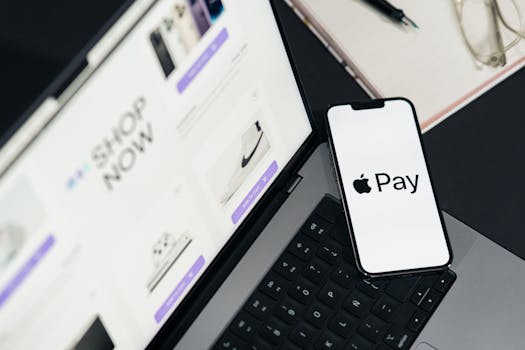 Photo: Julio Lopez / Pexels
 Photo: A. / Pexels
 Photo: Pavel Danilyuk / Pexels
 Photo: RDNE Stock project / Pexels